Method statement
Collaboration modes
Method statement · Modes page describes six collaboration shapes on a vertical copper rail — square markers, mono codes, prose beside each entry.
Positioning sprint settles the primary frame in two weeks. Narrative workshop drafts the story spine with leadership. Message audit maps live copy against hierarchy.
Voice codex builds language rules and nomenclature tables. Editorial programme designs quarterly themes and formats. Systems documentation assembles the full reference for roll-out.
Modes are not tiers — no reader pays differently for any of them by name alone. Names describe scope and duration; commercial terms live in proposals, never on public pages.
The copper rail is a signature section: vertical hairline, square markers, mono codes. It replaces the banned identical-card grid with something you could sketch on a proof margin.
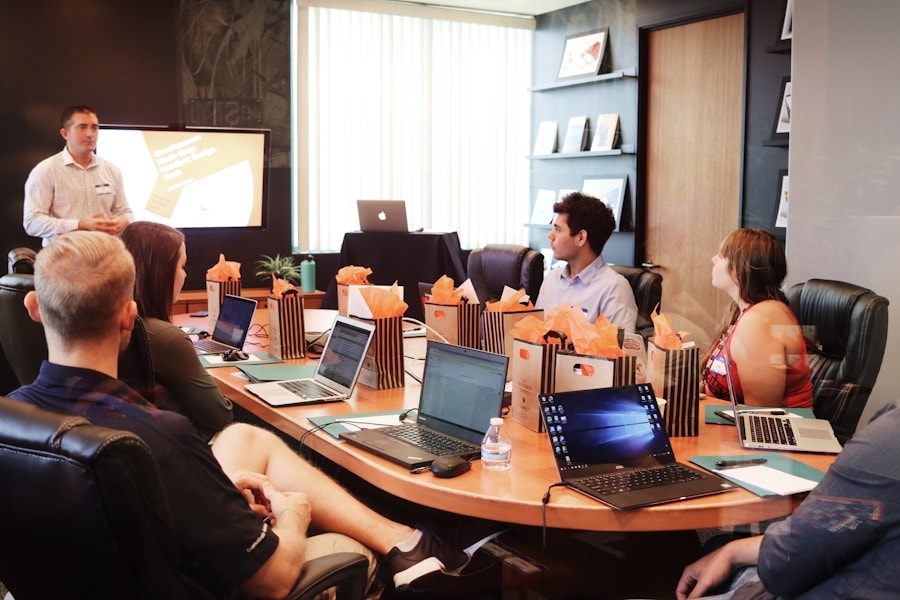
Two photographs — production setup and storyboard close — show the desk between modes. Strategists switch modes more often than they switch chairs.
Context: Choosing the wrong mode wastes client time. A full systems build when a sprint would suffice delays decisions; a sprint when narrative is unsettled produces fragile copy. We recommend mode at brief review, confirm at kick-off.
Positioning sprint PS: two weeks to settle the primary frame with leadership alignment.
Narrative workshop NW: story spine with origin, tension and resolution chapters.
Message audit MA: live copy compared against the ladder — gaps listed, not hidden.
Voice codex VC: language rules and nomenclature tables for channel managers.
Editorial programme EP: quarterly themes and formats without performance targets.
Systems documentation SD: indexed handbook for agencies and product teams.
Copper rail markers are square mono codes beside vertical hairline — signature B-S3.
Production setup photograph shows layout proofs between mode switches.
Storyboard close photograph sketches message hierarchy before pixels.
Wrong mode wastes time — we recommend at brief review, confirm at kick-off.
Commercial terms live in proposals, never as public price labels.
Modes describe scope and duration, not urgency tiers.
Positioning sprint
A focused two-week engagement to settle the primary position when leadership agrees the message has drifted but lacks time for a full programme. Output is a positioning document, a one-page summary and a read-out session with annotated channel samples.
Narrative workshop
Facilitated sessions with founders and comms leads to draft the brand narrative spine. We prepare interview guides, capture session notes and deliver a narrative draft within five working days of the final workshop.
Message audit
We collect live copy from web, product, sales and support channels, then map each sample against the agreed hierarchy. The audit report shows alignment gaps, duplicate claims and phrases that contradict the voice guide.
Voice codex
Standalone voice and nomenclature build for teams that already hold a position but lack consistent language. Includes migration tables for deprecated terms and annotated rewrites of high-traffic pages.
Editorial programme
Quarterly editorial architecture: theme map, format list, approval workflow and template briefs. Designed for in-house content teams who need direction without daily agency dependency.
Systems documentation
Full assembly of existing brand materials into a indexed reference with version control. Suitable after a sprint or workshop when the client wants one durable handbook for regional roll-out.

Six modes, one rail — choose structure before you choose speed.